




- Perfality
- September 22, 2026
- 4:24 pm
- Read Time: 10 mintues
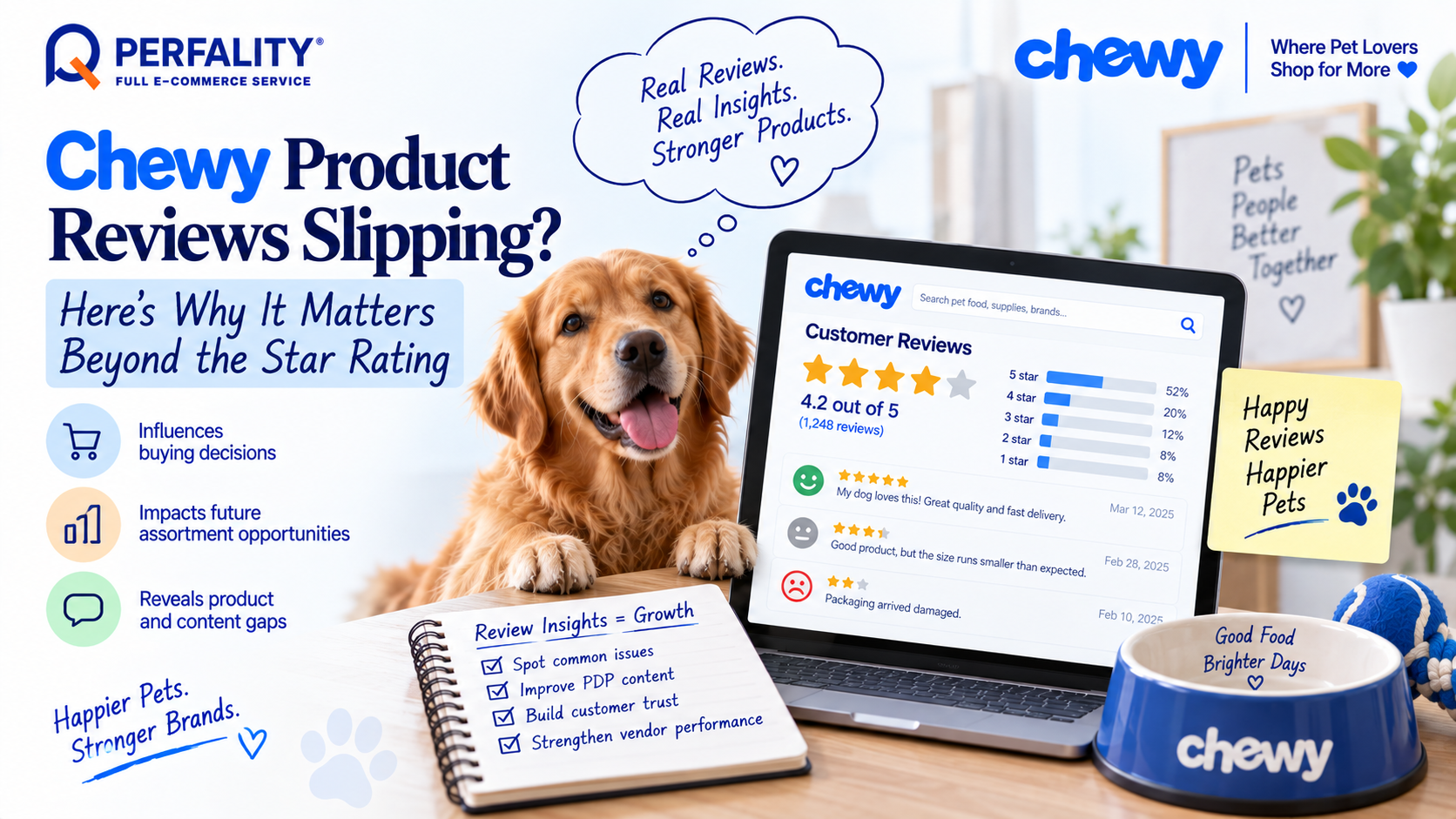
A product has been selling steadily, but the review section is quietly accumulating a pattern of similar complaints. Chewy product reviews matter for the obvious reason — they shape what a shopper decides on the page — but they also feed into the broader vendor relationship, since a category manager evaluating future assortment decisions is looking at the same rating trend a shopper sees.
Treating reviews as purely a customer-facing metric misses half of why they’re worth actively managing.
Why Chewy Product Reviews Carry Extra Weight
Because Chewy operates a vendor relationship built around category managers and periodic assortment review, a product’s review trend isn’t purely a marketing signal — it’s part of the ongoing performance picture that informs whether an item continues to be recommended for the assortment or gets reconsidered at review time. A pattern of quality or fit complaints is exactly the kind of thing a category manager notices even without a seller-facing review-based penalty system.
On the shopper side, reviews function much like they do on any retail platform: a strong review body builds trust for a category (pet food, supplements, health items) where buyers are often making a decision on their pet’s behalf and are naturally cautious.
Common, Preventable Sources of Negative Reviews
- Product content that oversells or misrepresents fit — a size, flavor, or suitability claim that doesn’t match the buyer’s actual experience once the product arrives.
- Missing usage or feeding guidance, leading to buyer confusion that shows up as a review rather than a resolved question.
- Packaging or shipping damage on categories where careful handling matters (glass, liquids, fragile items).
- Inconsistent product quality between batches, which tends to surface first in reviews before it appears anywhere else.
How to Actually Manage the Review Trend
- Read reviews for patterns, not just star-rating averages — three buyers mentioning the same sizing confusion points to a content fix, not a product problem.
- Align PDP content precisely with the actual product experience, since a mismatch between description and reality is one of the most preventable review triggers.
- Address recurring complaints through content updates (clearer sizing, feeding guidance) rather than treating each review as an isolated customer service issue.
- Monitor review trends alongside other vendor performance data, since a declining pattern is worth raising proactively with a category manager rather than waiting for it to surface at an assortment review.
How Perfality Approaches This
For Chewy vendor catalogs, reviews are tracked as both a conversion signal and a vendor-relationship signal, not treated separately. That includes:
- Pattern-based review analysis: reviews are read for recurring themes rather than reduced to a single star-rating number, since the theme is what points to an actual fix.
- Content-to-experience alignment checks: PDP claims are compared against what reviews actually describe, catching a content mismatch before it accumulates into a rating problem.
- Proactive category manager communication: a declining review trend gets flagged and discussed with the category manager directly, rather than left to surface unprompted at the next assortment review.
- Root-cause content fixes: recurring complaints get addressed through updated sizing, feeding, or usage content, treating the pattern as fixable rather than absorbing it as ongoing customer service load.
Related Services
If a review pattern keeps repeating on a Chewy listing, the fastest fix is usually aligning the product content with the actual buyer experience, not waiting for the trend to resolve on its own. A team already reading reviews for patterns tends to catch and fix this before it becomes part of a broader assortment conversation.
Depending on how you’re searching, this kind of support is also known by these names:
- Full-service Amazon management: Full Service Amazon Management, Full Service Amazon Agency, Amazon Full Service Agency, Full Service Amazon Marketing Agency, Best Full-Service Amazon Agency, Best Full Service Amazon Agency
- FBA-focused support: Amazon FBA Management Agency, Amazon FBA Agency, Amazon FBA Marketing Agency, Amazon FBA Management Service
- Listing and content optimization: Amazon Listing Optimization Services, Amazon Listing Optimization Agency, Amazon Listing Optimization Service, Amazon Product Listing Optimization Service, Amazon Product Listing Optimisation Service, Amazon Product Listing Optimisation Service USA
- Product listing services: Amazon Product Listing Service, Amazon Product Listing Service Provider, Best Amazon Product Listing Service Agency
- PPC and advertising management: Amazon PPC Management Service, Amazon PPC Management Service Agency, Best Amazon PPC Management Service, PPC Management Service For Amazon
- Account management: Best Amazon Account Management Services, Amazon Ecommerce Company
Frequently Asked Questions
They can. Because Chewy vendor relationships involve category managers and periodic assortment reviews, a consistent negative review trend is part of the broader performance picture that can inform future assortment decisions.
A mismatch between product content and the actual buyer experience — oversold sizing, fit, or suitability claims, or missing usage guidance — tends to be more common than genuine product defects.
Not if it’s part of a pattern. A recurring complaint across multiple reviews usually points to a content or product fix, and treating each instance separately misses the chance to resolve the root cause.
If this is a recurring pain point rather than a one-off, it’s usually worth a quick conversation. Book a free 30-minute call with our team and we’ll walk through what’s actually happening on your account.
Have any questions? Let’s connect!