




- Perfality
- October 8, 2026
- 6:47 pm
- Read Time: 10 mintues
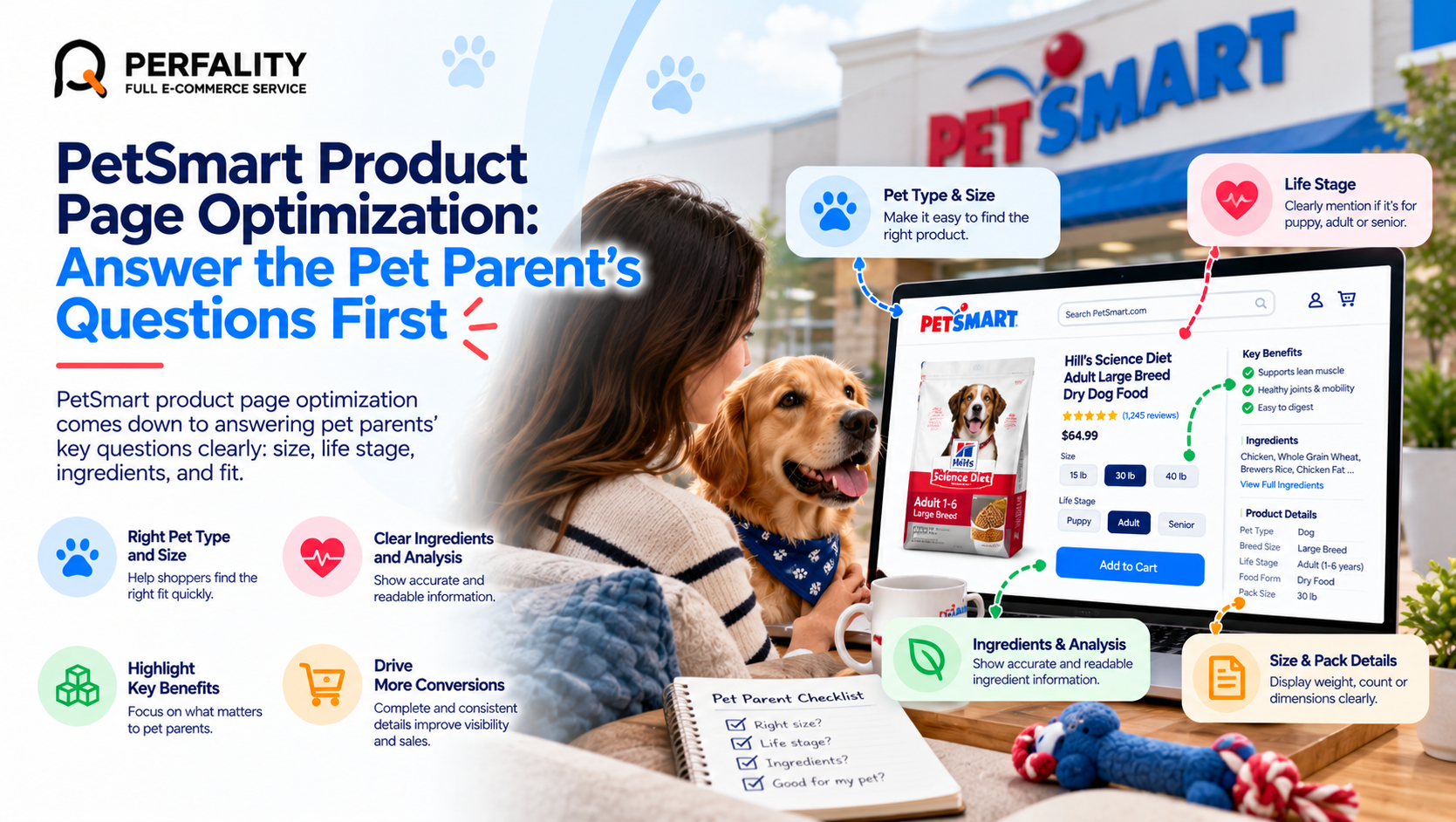
A pet parent searching for food, treats or a crate is rarely browsing for fun. They are matching a product to a specific animal, and they will leave a page the moment it fails to confirm that match. PetSmart product page optimization comes down to answering a short list of questions faster and more clearly than the next listing.
Those questions are consistent across the category: is this right for my pet’s size, age and health need, what is in it, and will it fit what I already own. Pages that answer them in the first screen convert. Pages that bury them behind marketing language do not.
PetSmart Quick Facts: What Pet Parents Look For
Area | What to know |
Pet type and size | Dog, cat or small animal, plus breed size or weight range where it applies. |
Life stage | Puppy, kitten, adult or senior, stated in the title and the first bullet. |
Ingredients and analysis | A clear, readable panel for food and treats, matching the package. |
Health and diet needs | Grain-free, limited ingredient, sensitive stomach and similar, only where the product genuinely supports it. |
Size and count | Pack size, weight or dimensions visible without scrolling. |
What PetSmart Product Page Optimization Really Fixes
Weak pages usually share three problems. The title is a brand name and a code rather than a description, the first bullets talk about the brand story instead of the pet, and the size or life stage is only visible in the image.
Search behavior on a pet retailer site is attribute driven. Shoppers filter by pet type, life stage, size and diet, so a product missing those attributes is effectively invisible to a large share of the people who would buy it.
The fix is rarely more copy. It is better-ordered copy, with the decision-making facts first and the brand story second.
What This Looks Like in Practice
Picture a supplier of senior dog food whose title reads only as a brand and a flavor code. Shoppers filtering for senior, large breed or sensitive stomach never see it, because those attributes are blank. After the title is rewritten around life stage and size, and the diet attributes are completed, the product starts appearing in the searches that were already happening. Nothing about the formula changed. The page finally said what the product was for.
Step-by-Step: A Page Structure That Converts
- Write the title for the search. Brand, product type, key attribute, life stage and size, in that natural order.
- Lead with fit. Put pet type, life stage and size in the first bullet so shoppers confirm the match immediately.
- Make the ingredients readable. Present the panel cleanly and make sure it matches the package exactly.
- Support claims with specifics. Replace words like premium with a concrete reason such as the protein source or the feeding purpose.
- Use images to prove the claim. Show the pack size, the panel and the product in use, not only a hero shot.
- Fill every attribute. Complete diet, size and life stage fields so the product appears in filtered results.
Page Mistakes That Cost Conversions
Common mistake | What actually happens |
A title that is only a brand and model code | The product does not match what shoppers type into search. |
Brand story before product facts | Shoppers scroll past the paragraph and never find size or life stage. |
Health claims that the product cannot support | Trust falls and reviews turn negative when the product does not deliver. |
Blank attribute fields | The product drops out of filtered browsing. |
Prevention Checklist
- Title includes product type, life stage and size
- First bullet confirms pet type and fit
- Ingredient and analysis panel readable and accurate
- Claims backed by the package and documentation
- Images show size, panel and use
- All filter attributes completed
How Perfality Approaches This
We optimize pages from the shopper’s questions backward rather than from a template. For PetSmart suppliers that means:
- Search-led titles: titles rewritten around how pet parents actually search and filter.
- Fit-first content structure: the decision facts placed at the top, the brand story below.
- Attribute completion: every filter field reviewed so products appear where shoppers browse.
- Claim review: each health or diet claim checked against the package before it appears on the page.
- Before and after measurement: page changes tracked against traffic and conversion so we keep what works.
Related Services
If your product pages read like brand brochures rather than answers, a structured rewrite is one of the faster conversion gains available. For a broader view of how we support pet retail suppliers, see our PetSmart retailer management service. Depending on where this issue keeps recurring, this is the kind of support that typically helps:
- Full-service Amazon management: Full Service Amazon Management, Full Service Amazon Agency, Amazon Full Service Agency, Full Service Amazon Marketing Agency, Best Full-Service Amazon Agency, Best Full Service Amazon Agency
- FBA-focused support: Amazon FBA Management Agency, Amazon FBA Agency, Amazon FBA Marketing Agency, Amazon FBA Management Service
- Listing and content optimization: Amazon Listing Optimization Services, Amazon Listing Optimization Agency, Amazon Listing Optimization Service, Amazon Product Listing Optimization Service, Amazon Product Listing Optimisation Service, Amazon Product Listing Optimisation Service USA
- Product listing services: Amazon Product Listing Service, Amazon Product Listing Service Provider, Best Amazon Product Listing Service Agency
- PPC and advertising management: Amazon PPC Management Service, Amazon PPC Management Service Agency, Best Amazon PPC Management Service, PPC Management Service For Amazon
- Account management: Best Amazon Account Management Services, Amazon Ecommerce Company
If this is a recurring pain point rather than a one-off, it’s usually worth a quick conversation. Book a free 30-minute call with our team and we’ll walk through what’s actually happening on your account.
Frequently Asked Questions
Answering fit questions fast: pet type, life stage, size, ingredients and count. The brand story matters, but it comes after those facts.
Long enough to carry brand, product type, key attribute, life stage and size, while still reading naturally. Check current length guidance for your category.
Only claims the package and your documentation support. Unsupported claims can hurt trust and may create compliance risk.
Often because attribute fields such as life stage, size or diet type are blank or inconsistent with the item data.
Have any questions? Let’s connect!